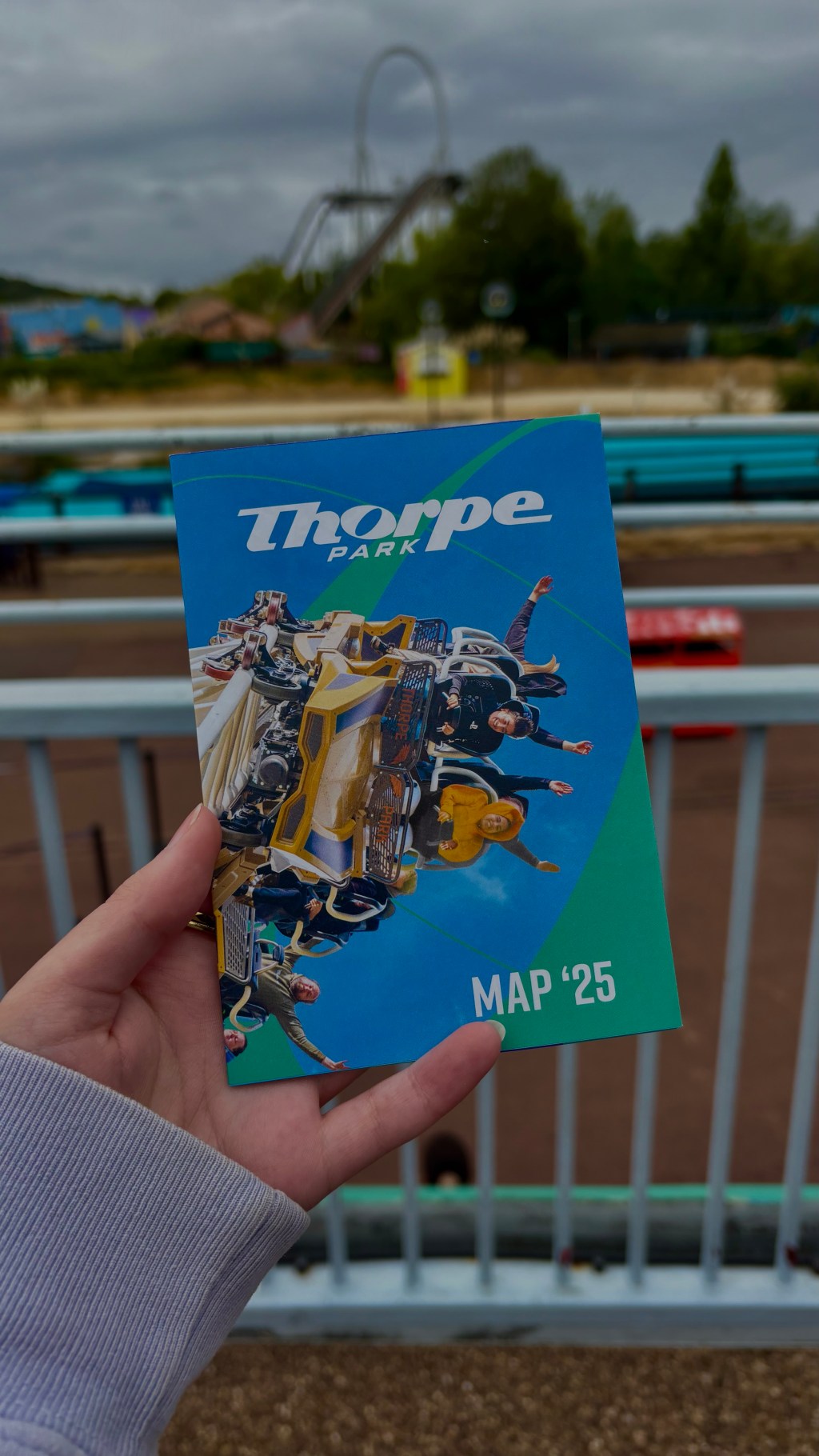
I visited Paultons Park for the first time to look at its sustainability efforts, from renewable energy and waste management to wildlife and conservation. Here’s what I found.
When you think about theme parks, sustainability probably isn’t the first thing that comes to mind. You’re more likely thinking about rollercoasters, rides, theming and what you’re going to eat.
But as someone who’s interested in both theme parks and sustainability, I wanted to look beyond the rides during my first visit to Paultons Park and find out what the park is doing to reduce its environmental impact.
From solar panels and wildlife habitats to compostable packaging and a rather impressive rooftop meadow, I found plenty of things worth exploring. So, how sustainable is Paultons Park?
1. Renewable energy: turning sunshine into electricity
One of the first things that caught my attention was Paultons Park’s use of solar energy.
The park reports that it generates around 35% of its energy from solar panels, including solar canopies above its car parks.
Theme parks use electricity across almost every part of their operations, from rides and lighting to restaurants and other visitor facilities. Generating renewable electricity on-site can therefore help reduce the emissions associated with the electricity a park uses.
I particularly like the solar car park canopies. Car parks take up a lot of space at visitor attractions, so using that space to generate electricity as well as accommodate cars is an interesting approach.
And if you were wondering about the sheep-powered ride mentioned in my video, unfortunately, that’s not quite how the park generates its energy!
2. Food and packaging: what’s on the menu?
Sustainability doesn’t stop at the rides. Food and drink are another part of the visitor experience worth looking at.
During my visit, I tried the Not Dog, and I was pleased to discover that Paultons Park offers a range of vegetarian and vegan options across the park. The park’s app is a useful place to check what’s available before deciding what to eat.
Packaging is another area where I noticed some interesting initiatives.
Paultons Park says it has removed plastic cutlery and straws, helping to reduce certain types of single-use plastic. I also spotted packaging associated with the new Valgard land that was described as plant-based and fully compostable.
3. Wildlife and nature: looking beyond the attractions
One of the things I enjoyed most about exploring Paultons Park was discovering its woodland trail and the smaller details that encourage people to notice the natural environment.
The park is located next to the New Forest, an internationally important landscape for wildlife and nature. That makes the relationship between the attraction and its surrounding environment particularly interesting.
During my visit, I saw features including a bug hotel and bird and bat boxes. These kinds of habitat features can provide opportunities for wildlife to shelter, nest or find food.
The park also has a woodland trail, offering a different experience from the rides and themed attractions. I think spaces like this are valuable because they can introduce visitors to nature as part of a day out, rather than treating it as something separate from the attraction.
4. A rooftop meadow at Peppa Pig Cafe
One of the most interesting examples I came across was the Peppa Pig Café.
The building features a rooftop wildflower meadow, alongside rainwater harvesting and windcatchers. The park also describes the building materials as being sourced locally from the New Forest.
It’s a great example of how sustainability can be considered when designing a building, rather than added as an afterthought.
A wildflower roof can provide habitat for pollinators and other wildlife, while rainwater harvesting can help capture water for suitable uses. Windcatchers can also support natural ventilation when the building and local conditions allow.
What makes these features particularly interesting is that they can serve practical purposes while contributing to the visitor experience. The building isn’t simply a place to get food; its design also offers an opportunity to think about how attractions use materials, water and space.
I’d be keen to learn more about how the rainwater is used, how the roof is maintained and how effective the building’s ventilation features are in practice. Those details would help show how the design performs beyond what we can see as visitors.
5. Waste management: what happens after we leave?
Waste management is another important part of theme park sustainability, particularly when thousands of visitors may be eating, drinking and moving around the site.
Paultons Park has highlighted measures such as removing plastic cutlery and straws, alongside its approach to managing different waste streams.
Separating materials such as cardboard, metals, glass, plastics and food waste can help ensure that suitable materials are sent for the right treatment.
So, how sustainable is Paultons Park?
My first visit to Paultons Park gave me plenty to think about.
The things that stood out to me were its reported solar energy generation, the attention given to food and packaging, the wildlife features around the park and the design of the Peppa Pig Cafe. I particularly enjoyed finding initiatives that weren’t immediately obvious when looking at the attractions themselves.
And this is why I enjoy exploring sustainability in the theme park industry. These attractions are designed to create memorable experiences and there are opportunities to make the operations behind those experiences more responsible, too.
I don’t think we have to choose between loving theme parks and asking questions about their environmental impact.
Which theme park should I investigate next?


Leave a Reply